
1. Send the drawing or available reference
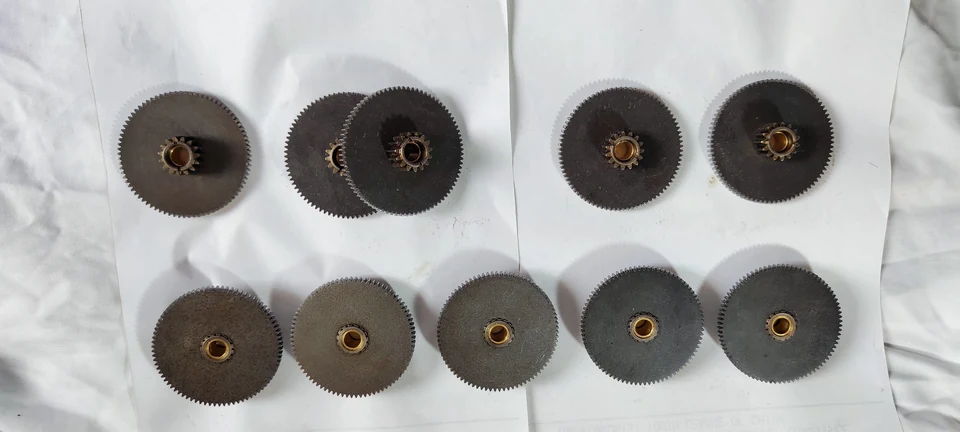
A complete drawing is best because it records dimensions, tolerances, material, surface finish and notes in one place. If the drawing is not ready, send a sketch, clear photos or sample information so the part can be reviewed initially. For replacement parts, photos of the assembly can help explain how the component is used.
When sending photos, include multiple angles and a scale reference if possible. If the part has threads, grooves, shoulders, bores or sealing faces, close-up photos of those features are useful. A sample can support early review, but confirmed dimensions are still important before repeat production.
2. Confirm material and quantity
Specify the material grade where possible and state prototype quantity, expected batch quantity and whether repeat orders are likely. Different quantities can change the machining plan, setup cost, inspection approach and packing method. A one-off replacement part is reviewed differently from a repeat-supply batch.
If the material is not fixed, explain the working conditions. Useful details include load, corrosion exposure, wear, weight, conductivity, appearance and whether surface treatment is required. This helps avoid selecting a grade that does not match the application.
3. Mark critical dimensions and tolerances
Not every dimension needs the same tolerance. Mark fit, functional and inspection-critical dimensions clearly so machining and inspection can be reviewed properly. Critical features may include shaft diameters, bushing internal diameters, thread fits, groove widths, shoulder locations, sealing faces and mating surfaces.
If a tolerance is tight, explain why it matters. For example, a diameter may fit a bearing, a sleeve may press into a housing, or a connector thread may seal against another component. This context helps keep the quotation realistic and avoids over-controlling non-functional areas.
4. Include thread and finish requirements
For threaded components, specify thread standard, pitch, class and length. If a gauge, mating part or sealing requirement is involved, include that information as well. Thread relief, lead-in chamfer, shoulder clearance and thread start position can all affect assembly.
Also include plating, coating, heat treatment, passivation, anodising, deburring and appearance requirements where relevant. Surface treatment can affect dimensions and final fit, so these details should be reviewed before sampling rather than after parts are made.
5. Explain the application and packing
Application details can help clarify functional risks. A part used in hydraulic equipment, agricultural machinery, automation fixtures or rotating assemblies may have different priorities for strength, finish, wear, corrosion or packing. Even a short note about the use case can help the review.
Packing requirements matter for protecting surfaces and supporting repeat supply. If parts need to be individually bagged, labelled, protected from scratches, packed by batch or prepared for export cartons, include those requirements in the quote request.
Common reasons quotes are delayed
Quotations take longer when drawings miss material grades, tolerances, thread standards, finish requirements or quantities. Delays also happen when the drawing does not identify critical features, when a sample differs from the drawing, or when post-machining treatment is mentioned late in the process.
If the part is function-critical, explain how it is assembled and which surfaces contact other components. This helps the supplier ask better questions early and reduces the chance of rework after sampling.
After the first quote
Once a price is reviewed, the next practical step is usually sample confirmation. Feedback from the sample should be reflected in the final drawing before repeat production begins. If a dimension, finish, edge condition or packing method changes after sampling, the production drawing and inspection notes should be updated.
Quick checklist before submitting
- Drawing, sketch, photos or sample information
- Material grade or working environment
- Prototype quantity and expected batch quantity
- Critical dimensions, fits and tolerances
- Thread standard, pitch, class and thread length
- Surface finish, treatment, deburring and appearance notes
- Application, mating part information and packing requirements