Why material selection matters
Material affects machinability, strength, corrosion resistance, wear, weight, surface finish, inspection stability and cost. The same CNC turned part can behave very differently when made from steel, stainless steel, brass, aluminium or another specified metal. A clear material requirement helps the supplier review tooling, machining time, finish, treatment and packing before quotation.
If the exact grade is not confirmed, explain the application first. Useful context includes load, movement, exposure to moisture, temperature, electrical or conductivity needs, appearance expectations and whether the part contacts another material.
Steel
Steel is commonly considered for shafts, pins, collars, spacers and general mechanical components where strength and cost matter. It may suit parts used in machinery, equipment repair, rotating assemblies or durable replacement components. Grade, hardness, heat treatment and corrosion protection should be specified where relevant.
For steel components, surface treatment may be needed depending on the working environment. Blackening, plating, coating or oiling requirements should be discussed early because they can affect appearance, corrosion resistance and final dimensions.
Stainless steel
Stainless steel may suit components exposed to moisture, corrosion, cleaning requirements or environments where appearance matters. The selected grade affects machining behaviour, cost and final performance. Some stainless steels are easier to machine than others, while some are selected mainly for corrosion resistance or strength.
When stainless steel is requested, the grade should be stated clearly on the drawing or quote request. If passivation or a specific surface finish is required, that should also be included because it can affect process planning and inspection expectations.
Brass
Brass is often considered for bushings, sleeves, fittings, connectors and components where machinability, conductivity or corrosion resistance are useful. It can be suitable for small turned parts, threaded connectors and sleeve-style components, depending on the application.
For brass fittings and connectors, thread details, sealing faces, deburring and appearance should be reviewed carefully. If the component will connect with a mating part, share the mating thread or assembly requirement before quotation.
Aluminium
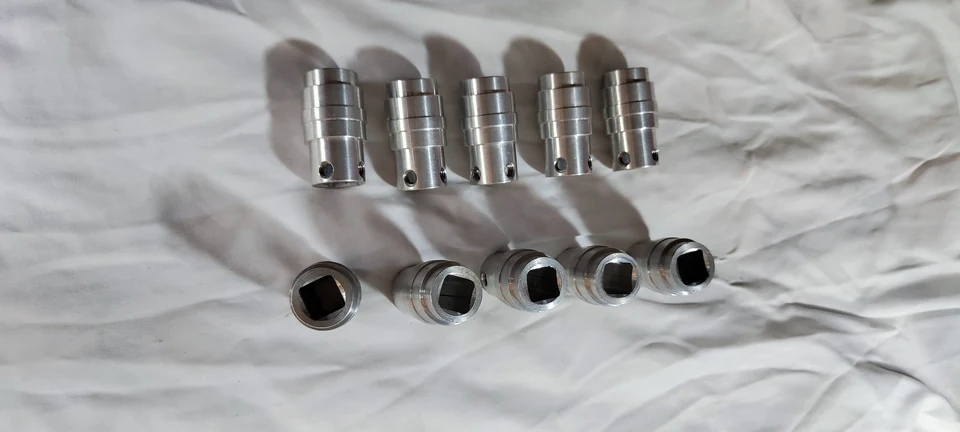
Aluminium can suit applications where lower weight, machinability and corrosion resistance are priorities. It may be used for sleeves, collars, spacers, housings, lightweight fittings or custom turned profiles. Alloy and surface finish requirements should be stated on the drawing.
Anodising or other surface treatment should be confirmed early because it may affect appearance, thickness, colour and final dimensional fit. Thin-wall aluminium parts may also require review for clamping and deformation risk during machining.
How material choice affects the quote
The same part can require different machining time, tooling, inspection and finishing depending on material. Harder materials, thin wall sections, long slender shafts, fine finishes or post-machining treatments may require extra review before pricing. If the material grade is flexible, state the functional goal rather than guessing a grade.
Surface treatment and finish
Material choice is often connected to plating, passivation, anodising, blackening or other surface treatment. These requirements should be shared early because they can affect dimensions, appearance and packing after machining. If the part has a sliding surface, sealing face, visible area or thread fit, the relationship between material, finish and function should be reviewed together.
What to confirm before quotation
Provide the exact material grade where possible. If it is still undecided, explain the application, expected load, environment and finish requirement so the options can be reviewed. Also include quantity, critical dimensions, tolerance expectations, surface treatment and any material certificate requirements.