Machined finish versus cosmetic finish
A normal machined surface may be acceptable for hidden or functional parts, while customer-facing parts may need tighter appearance control. The drawing or sample should indicate whether tool marks, colour variation, scratches or handling marks are acceptable.
Deburring and edge control
Turned parts often include shoulders, grooves, holes, threads and chamfers. Sharp edges may affect handling or assembly, while excessive deburring can change functional edges. If edge condition matters, specify chamfer size, radius or deburring expectations.
Plating, coating and post-treatment
Surface treatment may be required for corrosion resistance, wear, colour or appearance. Plating, blackening, anodising, passivation or other treatments can affect dimensions and packing, so they should be included in the quote request.
Use samples or photos when appearance matters
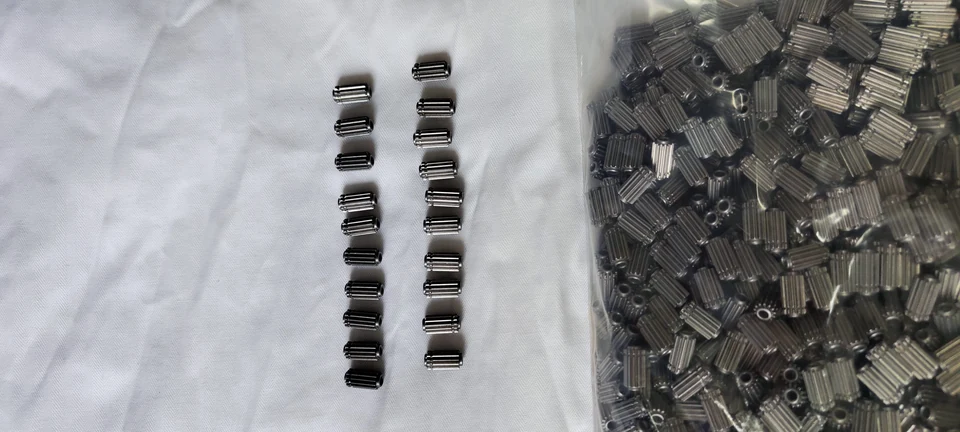
Appearance requirements can be difficult to define with text alone. Approved samples, reference photos or acceptance notes can help keep future batches consistent. This is especially useful for visible fittings, connectors, sleeves and decorative metal parts.
What to include in a quote request
- Required finish or treatment
- Critical surfaces and visible areas
- Deburring, chamfer or edge requirements
- Appearance reference photos or approved sample notes
- Packing method to protect the finished surface