What is a gear-related turned blank?
A gear-related turned blank is a rotational component prepared before, after or around later gear-related work, depending on the part design. Turning can create the base diameter, bore, shoulder, face, groove, chamfer or locating surface required before the component is finished. In some projects, the turned blank is an intermediate part. In others, the turned features are part of the finished assembly.
The important point is that the blank must be prepared with downstream processing in mind. If later gear cutting, milling, heat treatment, finishing or assembly is planned, the drawing should show which surfaces are references and which dimensions need closer control.
Custom profiles suited to turning
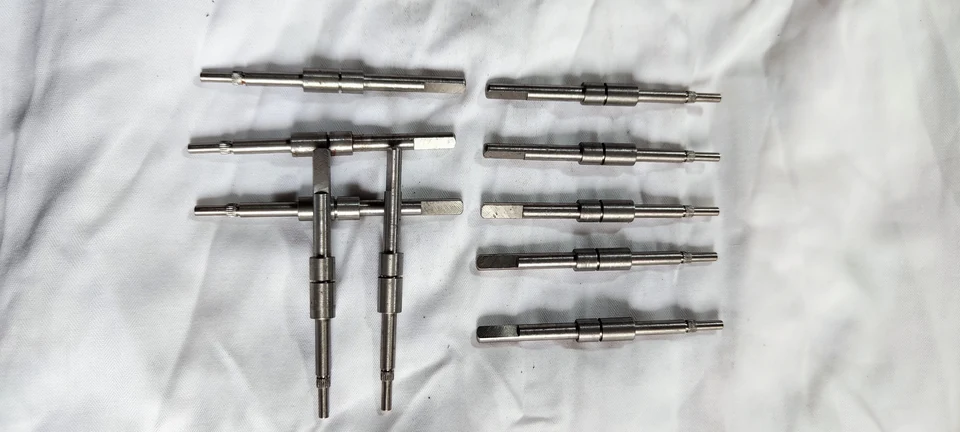
Not all custom machined components are simple shafts. Some parts include steps, flanges, collars, bores, grooves, slots or thread-machined features. If the key geometry is rotational, CNC turning may be the core process. Gear-related blanks can also include hub-style features, flange faces, locating bores or prepared outside diameters that support later processing.
Parts in this category may be used in gear, transmission, rotating equipment, machinery repair or custom mechanical assemblies. Because each design is different, quotation depends heavily on the drawing and on whether the blank will be used for further machining.
Drawing details to confirm
- Outside diameters, bores and shoulder positions
- Face, flange, groove and chamfer requirements
- Reference surfaces for later gear-related work
- Material grade and heat treatment requirements
- Any later machining, finishing or assembly process
- Critical dimensions and inspection points
Material and process considerations
Material selection depends on the final use of the component. Steel may be selected for strength or durability, stainless steel for corrosion resistance, brass for machinability or specific functional needs, and aluminium for lower weight. If heat treatment or surface treatment is required later, it should be included in the quote request because it may affect machining allowances and final dimensions.
When a turned blank will be processed further, extra stock allowance, datum surfaces and protective packing may be important. The buyer should explain whether Forgeon is quoting the turned blank only, the finished turned profile, or a component that will be assembled or processed elsewhere.
How to approach quotation
Share the full drawing and explain whether the turned blank is an intermediate part or the finished component. If later gear cutting, finishing or assembly is planned elsewhere, those downstream requirements may affect which features need closer control. Photos of existing parts or mating assemblies can help clarify how the blank is used.
For a clear quotation, include material, quantity, critical dimensions, tolerance requirements, finish, inspection needs and packing expectations. If the part is replacing an older component, note whether the sample is worn or modified so the drawing can be checked carefully.
Inspection and repeat supply considerations
For recurring orders, the approved blank geometry, material and inspection points should be stable. Typical inspection points may include bore size, outside diameter, face quality, shoulder position, groove width, flange thickness and reference surfaces. Packing should protect finished faces and edges that affect later processing or assembly.
Approved samples are useful when the part has complex appearance or edge requirements. Once the sample is confirmed, batch production should follow the same drawing and inspection expectations to support repeat supply.